An ARLLS Editorial Inspired by Paul Graham’s “How to Do Great Work”
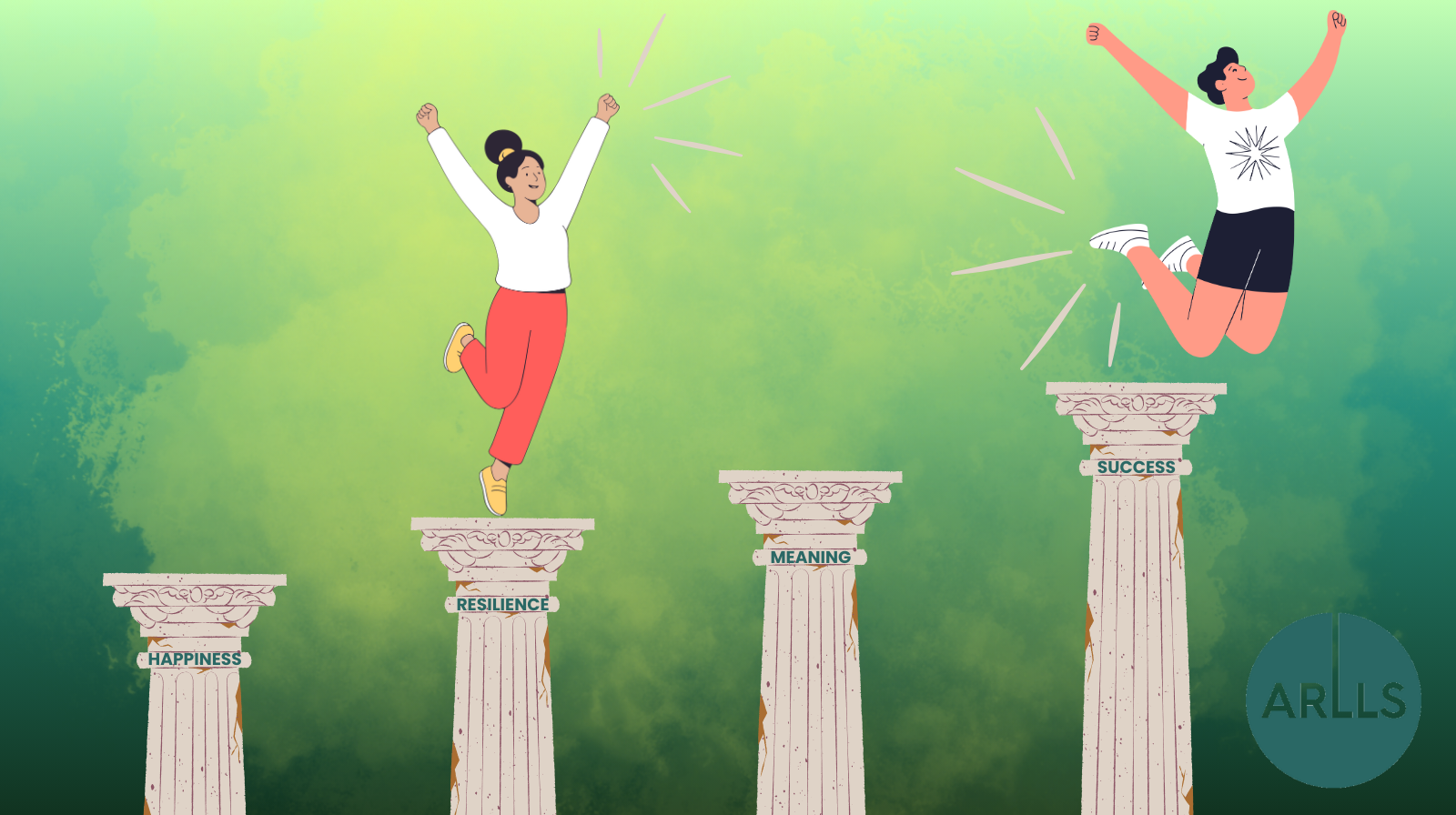
In his thought-provoking essay “How to Do Great Work”, Paul Graham argues that great work begins with curiosity. Not passion, not genius, not a 20-year plan. Only the willingness to ask questions that genuinely interest you. Once you’ve found these, he says, follow them persistently. This idea feels strikingly familiar for the ARLLS team. It echoes the very heart of our recent Autumn Masterclass Series, which included 3 courses: Understanding Happiness, Boosting Resilience and Energy, and Inspiring Success. Together, these modules ask the same questions Graham poses: What makes a life meaningful? How do we persist when things get difficult? What does success even look like?
And perhaps the most important question of all:
Does doing great work make us happy, or do we need to be happy to do great work?
The answer, as our scholars and facilitators explored this term, lies somewhere in the dynamic, inspiring middle.
Curiosity: The Quiet Spark Behind Happiness
Graham insists that great work begins with following the trail of your own curiosity. This aligns beautifully with the Understanding Happiness course message that happiness isn’t a single emotion. It’s the ongoing experience of feeling engaged, energised, and connected to what you’re doing.
In Lesson 1: What is Happiness?, we teach that people thrive when they focus on the positive, pursue activities that feel meaningful, and create environments in which they feel valued. Curiosity, the desire to understand, explore, and discover, naturally produces this spark:
- It lifts our spirits.
- It pulls us into a “flow” state.
- It nudges us toward joy even when work feels challenging.
When Graham writes that “good work tends to be deep work,” he’s not glorifying intensity, he’s reminding us that depth is rewarding, particularly in a world where our attention is so often pulled in many directions. That going deep helps us connect more deeply with our work, and thus our purpose. The Understanding Happiness Lesson 2: Finding Joy at Work makes the same promise: when you feel that you matter, when you’re part of something bigger, and when you allow yourself to play (not only work); joy follows.
Great work doesn’t begin with grand ambition. It begins with interest. And interest, more often than not, is the root of happiness.
Resilience: What Separates Curiosity from Achievement
If curiosity lights the flame, resilience keeps it burning. Paul Graham’s essay is filled with subtle reminders that meaningful work is rarely smooth. You will get stuck. You will feel unsure. You will question yourself. The difference between those who eventually produce great work and those who don’t often comes down to the willingness to persist, sometimes clumsily, sometimes painfully, through periods of uncertainty, even just one day more. That extra day might bring with it your Aha! Moment.
This is the essence of Boosting Resilience and Energy. In Lesson 1: Building Resilience, we explore how setbacks aren’t obstacles to greatness, they’re ingredients. Graham describes “drift”, the slow slide away from meaningful work towards easier, more convenient tasks. Our module names the same danger: avoidance, loss of confidence, exhaustion. Both remind learners that:
- Inner strength is built through repeated small acts of courage.
- Obstacles become opportunities when you stay focused on what matters.
- Confidence is not a starting point. It’s a result.
Graham says: “The most important quality in doing great work is persistence.” Our Boosting Resilience and Energy course says: resilience is a skill anyone can learn.
Together, they argue something powerful: If you want to do great work, expect difficulty, not as a threat, but as a companion.
Success: Not Talent, But Momentum
Paul Graham challenges the idea that great work comes from exceptional people. Instead, it comes from ordinary people who do three things consistently:
- Follow their curiosity
- Work deeply
- Keep going
This is exactly what Inspiring Success teaches. Success is not a single event, it’s actually momentum. It’s the mindset to keep improving, the willingness to inspire others as you grow, and the courage to empower people so that the success isn’t yours alone.
Graham reminds us that great work isn’t solo. Even his own projects were shaped by mentors, collaborators, and friends. In Inspiring Success Lesson 2: Engaging People, learners practice the same truth: success multiplies when shared. And perhaps most importantly, Lesson 3: Empowerment points out that real leadership means trusting others to explore, experiment and even make mistakes. This is the same environment required for great work to happen at all.
Great work rarely happens in rigid, fearful, overly controlled spaces. It happens where curiosity is welcome and mistakes are allowed.
Meaning: The Link Between Happiness, Resilience and Success
One of the most compelling insights from How to Do Great Work is that meaning arises from doing work that feels like your own. Not work that impresses others, not work someone else told you to pursue; work that aligns with your personal “why.”
In Boosting Resilience and Energy Lesson 2: The Search for Meaning, learners explore the same thread:
- What makes you feel alive?
- What sparks your passion?
- What strengths can you build on?
These aren’t soft questions, they’re directional ones. Graham argues that one of the biggest career mistakes young people make is trying to pick a meaningful project before they’ve discovered what truly fascinates them. Meaning is something you uncover gradually, by doing, experimenting, failing and redirecting yourself. You’ll only know what your why is once you’ve tested the waters.
The Autumn Series message is the same: Your “why” isn’t found. It’s built. And the more you build it, the more energised you feel. Energy isn’t just physical, it’s emotional. It’s that sense of “I’m doing something that matters.”
So, Does Great Work Make Us Happy?
After exploring happiness, meaning, resilience and success this term, and seeing them reflected in Paul Graham’s essay, the answer becomes clearer: Great work can make us happy, but only when it aligns with our curiosity, builds on our strengths, and connects to our deeper sense of purpose.
Happiness fuels resilience.
Resilience fuels meaningful work.
Meaningful work fuels success.
Success fuels confidence and hope.
And confidence and hope bring us back to happiness. It’s a loop – a powerful one.
So, to our learners, remember Paul Graham’s words, “Work on what you are genuinely interested in.” Together, our Autumn Series modules taught us how to do exactly that. Through Understanding Happiness, we learnt how to cultivate joy, even in challenging environments. Boosting Resilience and Energy strengthened our ability to persevere, restore energy when we’re low, and pursue meaning intentionally. Finally, Inspiring Success reminded us that success is not about talent. It’s about mindset, engagement and empowerment.
Together, they form the foundation for doing meaningful, fulfilling, great work.
And perhaps that is the true message of the Autumn Series: Your happiest, most resilient, most successful self isn’t found in the future. It begins with one simple act today: following what genuinely interests you.